


Children don’t usually tell us when something feels too heavy.
They don’t say, “This is adult information and it doesn’t belong to me.”
They simply start carrying it, quietly, loyally, and often at great cost to themselves.
Ricky was 13 when his parents separated.
When he was younger, Ricky had been close to his dad. His dad was present, playful, and engaged. Over time, that closeness shifted, not because of a lack of love, but because life changed. His dad was a pilot and his trips got longer and further away as he moved up in seniority. Ricky missed him, but he still felt connected.
When the separation happened, Ricky’s mom was devastated. She was heartbroken, overwhelmed, and grieving the loss of her marriage. In her pain, she shared things with Ricky that felt honest to her in that moment, but weren’t meant for a child to hold.
She told him his dad had left.
That his dad was selfish.
That he didn’t want a family anymore.
She shared with him details about their marriage over the past 16 years and how his dad was never really “emotionally there for her”.
Those words landed like boulders.
What Ricky didn’t hear was the fuller truth: his dad had made a decision about ending an adult relationship, not about leaving his children. His dad hadn’t left Ricky. He hadn’t stopped loving him. He hadn’t walked away from being a parent.
But Ricky didn’t have the developmental capacity to separate those ideas. And the narrative that was being shared with him from his mom was constant, filled with anger and it hurt.
Children don’t experience parents as “individual adults with complex motivations.” They experience parents as parts of themselves. So when Ricky heard that his dad was selfish, rejecting, or abandoning, he didn’t just hear a story about his father, he felt something break inside of himself.
Slowly, Ricky began to pull away.
He stopped wanting to spend time with his dad. Visits felt awkward. Conversations grew shorter. Conversations were not given the space they needed. What once felt easy now felt emotionally loaded. Loyalty binds formed quietly:
If I love my dad, am I betraying my mom?
If I enjoy time with him, am I ignoring her pain or making it worse?
“My mom needs me more than my dad does right now, she’s so sad.”
No one told Ricky he had to choose, but the weight of those words made it feel like he already had.
This is what happens when adult grief gets tangled into children’s lives in a way they are not meant to bear.
Children are meant to be kids, running around, imagining, learning, playing, and slowly figuring out who they are. They are not meant to carry adult stress, adult conflict, or adult emotional weight.
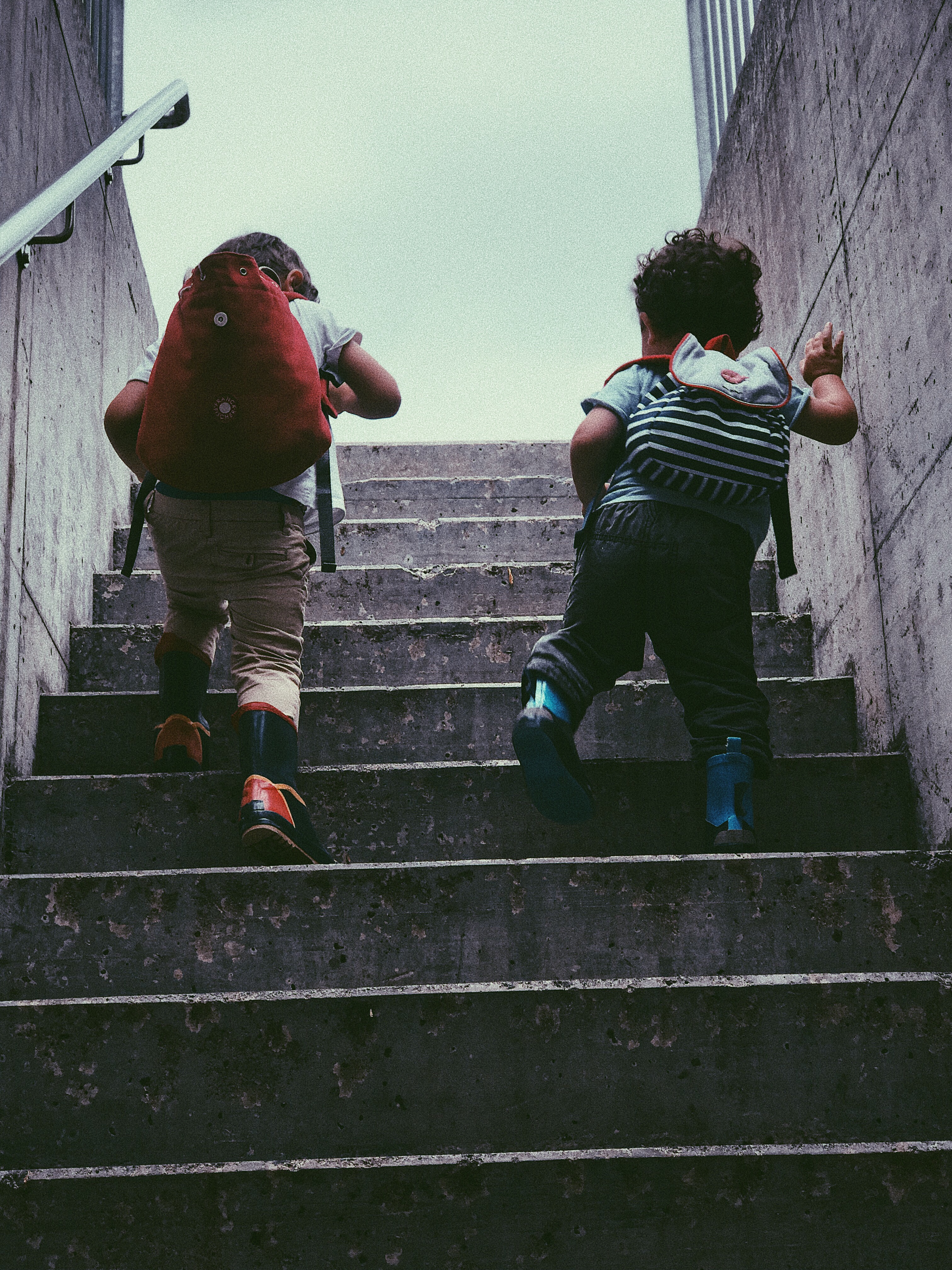
Imagine your child wearing a backpack.
At first, the backpack was empty. Your child is free, emotionally light, unburdened, and focused on being a kid. Then, slowly, life begins to add weight.
The Normal Weight of Growing Up
As children grow, some weight in the backpack is expected, and healthy.
These are the sand and small rocks of childhood and adolescence:
- Friendships and social dynamics
- School stress and performance worries
- Navigating emotions
- Identity development and belonging
- Puberty, brain development, dating, and new responsibilities
These experiences help children build resilience, coping skills, and emotional awareness. This is the developmental work of childhood, and children are designed to carry it.
Parent Team Tip: Our Parenting From Two Homes workbook helps parents distinguish between developmentally appropriate stress and adult burdens that don’t belong with kids, so you know when to support and when to protect.
When the Backpack Gets Too Heavy
Some children carry extra weight, larger rocks added by circumstances outside their control:
- Anxiety or depression
- Learning differences
- Bullying, racism, or social exclusion
- Loss, illness, home violence, or trauma
- Parental mental health or addiction struggles
- Food or housing insecurity
These challenges can significantly affect a child’s emotional and developmental landscape. With the presence of caring, regulated adults, however, children can be supported in processing these experiences and continue to build regulatory skills and experience healthy development. And, these are rocks in their backpack, which add weight and burden to their lives.
When Adult Conflict Becomes a Boulder
When parents are overwhelmed, in chronic conflict, or consistently emotionally dysregulated, adult issues can spill into children’s lives. This is when boulders land in the backpack, far too heavy for a child to carry.
Examples include:
- Badmouthing the other parent
- Asking children to keep secrets
- Using children as messengers
- Asking children for information about the other parent
- Sharing adult details about either household
- Expecting children to manage a parent’s emotions
- Sending children to handle adult responsibilities like money, schedules, or disagreements
Let’s check in. If this feels familiar: You’re not alone, and you’re not a bad parent. Most parents were never taught how to separate adult conflict from child emotional safety. Most parents were never taught how to uncouple or release an intimate relationship in a caring, respectful way.
The Cost of Being “Caught in the Middle”
Children want their parents to be happy; they want them to be okay. So when they see their parent hurting, in pain, or raging with anger - they want to fix it or take it on themselves. This weighs them down, like boulders in a backpack. This weight begins to waste away their developmental energy. When children feel pulled between parents, they may:
- Feel responsible for keeping the peace
- Suppress their own emotions
- Feel anxious, guilty, or hypervigilant
- Take on caretaker roles or seek for more control in their lives
- Struggle with identity and self-worth
Over time, this weight can affect emotional regulation, relationships, and mental health well into adulthood.
This is why Parent Team focuses so strongly on insulating children from adult conflict, even when co-parenting feels hard, messy, or imperfect.
How Parents Can Help Unload the Backpack
The good news: parents have enormous power to lighten this load.
Helpful ways to remove the boulders include:
- Keeping your child, and their relationship with both parents, in focus
- Allowing your child to love each parent freely, without interference
- Helping children identify and name their emotions
- Validating feelings without fixing or minimizing them (need help with how this actually sounds? Check out our online course and workbook
- Repairing when mistakes happen (repair is powerful)
- Leaving adult content and details out
- Managing parenting time, finances, and decisions with the other parent, not your child
- Insulating children from toxic or chronic conflict
Want help doing this in real life, not just in theory? Parent Team’s step-by-step frameworks walk parents through how to repair, reset, and re-establish emotional safety for kids across two homes.
Get Started with the Parent Team Online Course
Divorce Is Hard and Kids need us to Insulate Them
Children don’t need parents to remove their feelings; they need parents who can stay sturdy and steady in the presence of those feelings.
This means:
- Processing adult grief with other adults, not children
- Keeping adult narratives about blame and betrayal out of kids’ ears
- Remembering that divorce ends an intimate partnership, not a child’s family
Ricky didn’t need his mom to hide her pain or deny her grief. He needed it to be held by other adults, so it didn’t get placed in his backpack, allowing him to remain safely in the role of a teenager, free from carrying what was never meant to be his.
How Parents Can Help Unload the Backpack After Divorce
The hopeful truth is this: parents have tremendous power to lighten the emotional load for their children.
Unloading the backpack begins with:
- Honoring your child’s relationship with both parents
- Allowing children to love each parent freely
- Helping children name and understand their emotions
- Validating feelings without fixing or oversharing
- Repairing when mistakes happen (repair matters more than perfection)
- Managing parenting schedules, finances, and conflict directly with the other parent
- Insulating children from chronic or toxic conflict
Want step-by-step guidance on how to do this, especially when emotions run high?
Start with the Parenting From Two Homes Self-paced course
The Takeaway for Parents Navigating Divorce or Separation
Your child already has a backpack.
Divorce will naturally add some weight, and that’s okay. What matters most is that we don’t add what doesn’t belong there.
When parents take responsibility for their own grief, conflict, and communication, children are free to do the work of childhood: growing, learning, and staying securely connected to both parents.
Children don’t need perfect parents.
They need parents who notice what kids are carrying, lighten the load that isn’t theirs to carry, and be present in the emotions that are their own - and their kids.
Ready for More Support?
If you’re navigating separation, divorce, or high-conflict co-parenting and want to protect your child’s emotional well-being:
Start here and let us know what you need.
You don’t have to do this alone, and your child doesn’t have to carry it. We got you and your family.
.jpg)


